
Article -
What Buying New Glasses Taught Me About Strategic Decision-Making
Articles
What Buying New Glasses Taught me about Strategic Decision-Making
I was buying new glasses yesterday, and it turned out that I was also practising strategic decision-making.
You see, I have a complex prescription. More than -13. That means there’s one thing I have to pay attention to every time I buy glasses:
The lenses need to be 50mm wide or less.
That’s not a preference, a nice-to-have. It’s an operational constraint and a need.
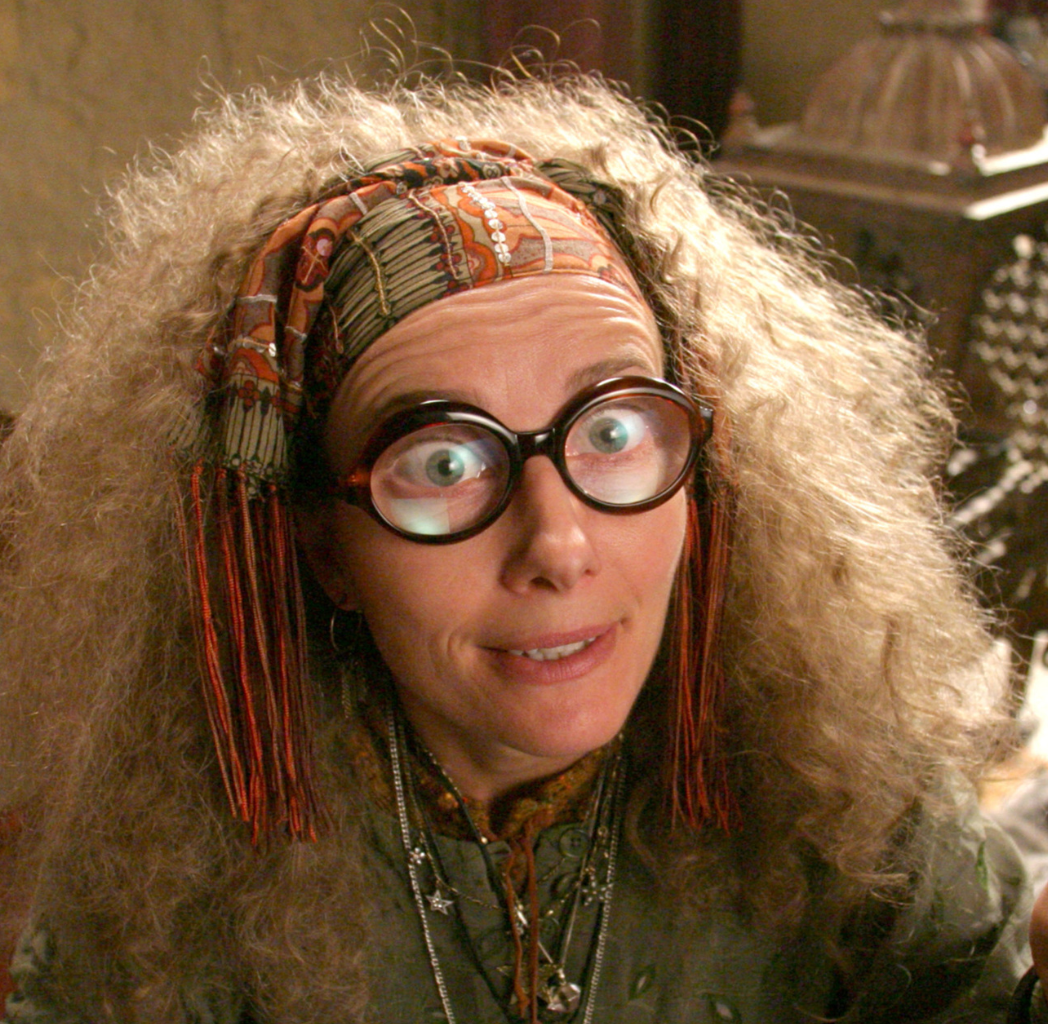
With a prescription this strong, wider lenses become thicker, heavier, more cumbersome and much more likely to magnify my eyes. Without lens thinning, I could save money, sure, but I’d also increase the chances of looking like an owl or Professor Trelawny’s cousin (the hair without products is already pretty similar). The result is that my choice of frames is far more limited than most people realise and people don't always fully understand that. Because of this, it's not unusual for me to start by looking in the kids and teens section, expand my search into the adult ranges, and then ending up back in the kids and teens section again. That's why I've sometimes sported fun designs like Star Wars or SpiderMan. I like both of those, so I'm quite happy.
A few years ago, I found myself becoming increasingly frustrated during a visit to an optician.
I explained the need and the constraint we needed to work within.
Then explained it again.
And again.
Yet the recommendations kept coming back to frames that ignored it.
I stayed polite, but I was getting closer and closer to saying, "Back off, or I'm leaving and taking my prescription with me."
Maybe they were trying to do me a kindness, or maybe they were trying to score themselves some commission, who knows, but the problem was that they were trying to solve the wrong problem. They weren't listening to one of the most important facts shaping the decision and it was coming across as them being actively unhelpful.
I see exactly the same thing happen in business.
A founder explains they have limited capacity and gets advice that assumes a full team.
A business owner shares their budget and gets recommended a solution designed for a much larger company.
Someone explains their reality and receives advice built for an entirely different one.
The advice may be technically correct, but if it ignores a critical constraint, the rules within which the solution needs to operate, it isn't useful. Good decisions don't start with solutions.
They start with understanding the parameters in which those solutions need to work.
Think of them as 'business rules'.
This time, however, the experience was completely different -
The optician listened. The parameters were acknowledged.
The options presented actually aligned with my circumstances.
For the win!
And then I got stuck.
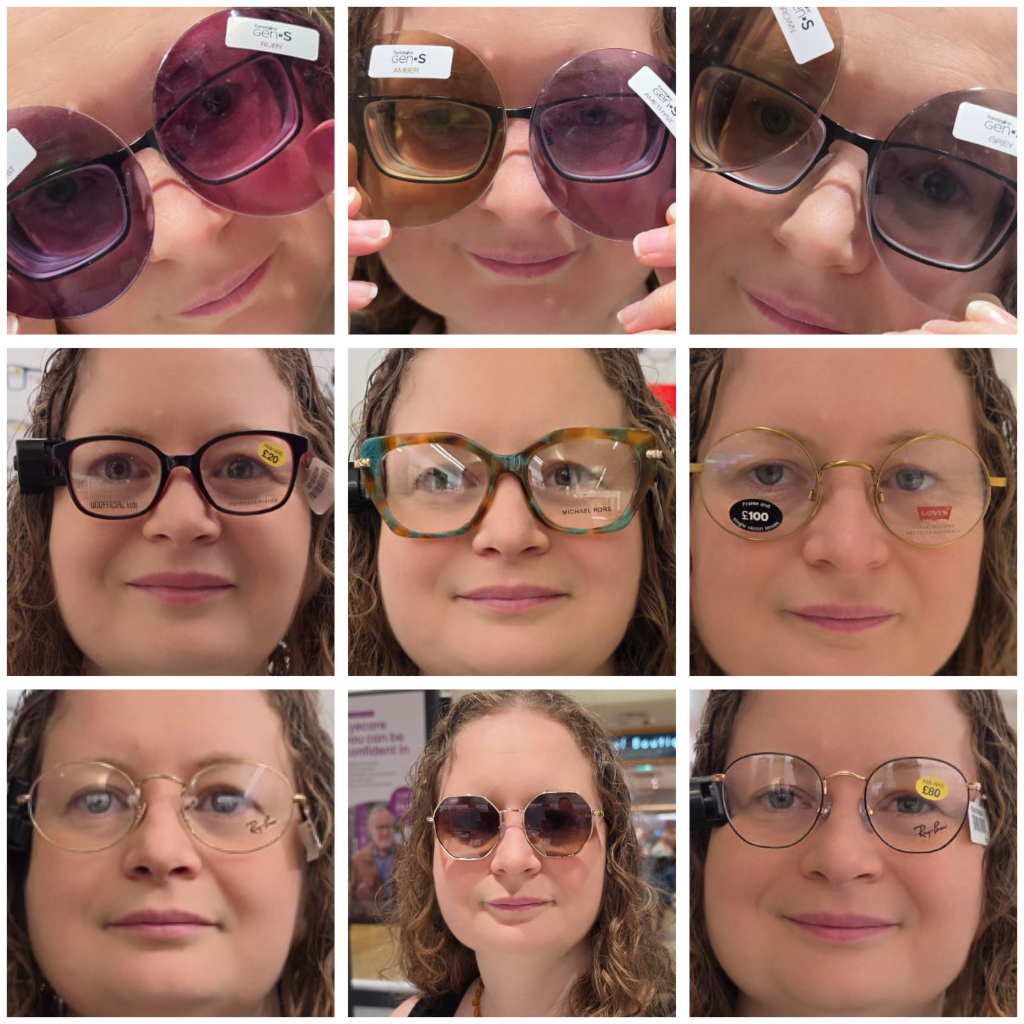
Not because there weren't any good choices. It was more because there were several and it felt a bit overwhelming. For years, my decision had been relatively simple - buy one sturdy pair of glasses that has to do everything for the next couple of years. One pair, one solution and one decision.
This time I had options. At first, that felt surprisingly uncomfortable, not because I couldn't make a decision, but because I was being asked to make a different kind of decision, so I asked questions. Lots of them. I wanted to understand what I was gaining, what I was giving up and what would work best in practice.
Once I understood the trade-offs, the decision became much easier and in the end, I left with two pairs of glasses rather than one because I had enough information to build a better solution, and that's the second lesson I took away from the experience.
Many founders assume they're stuck because they need more options. In reality, they're often stuck because they haven't fully understood the options they already have. When you're starting out, you wear all the hats: sales, marketing, admin, finance, operations, customer service, and most decisions are driven by necessity.
As revenue grows, however, something changes. You start having choices and can invest in support. You can buy back some of your time; and can stop cobbling together a string of bolt-on solutions to cover every gap; and you can begin building something more sustainable.
The challenge is no longer having too few options.
It's having several good ones, and to choose one option is to let go of the others.
That's where many founders get stuck, not because they need more ideas, but because they need enough clarity to understand the trade-offs and make a decision.
That's why I don't think the biggest lesson from buying glasses was about glasses. It was about clarity. Not just clarity of sight:
- Clarity about the rules the decision needed to operate within.
- Clarity about the available options, and
- Clarity about the trade-offs I was willing to make.
Good decisions come from understanding your constraints, understanding the trade-offs and making a conscious choice.
Sometimes the most valuable thing isn't another option.
It's the clarity to choose between the options already in front of you.
And whether you're choosing glasses, making a strategic hire, investing in support, or deciding what comes next in your business, that principle holds true.